Physical and mental health of socially isolated seniors at higher risk during pandemic
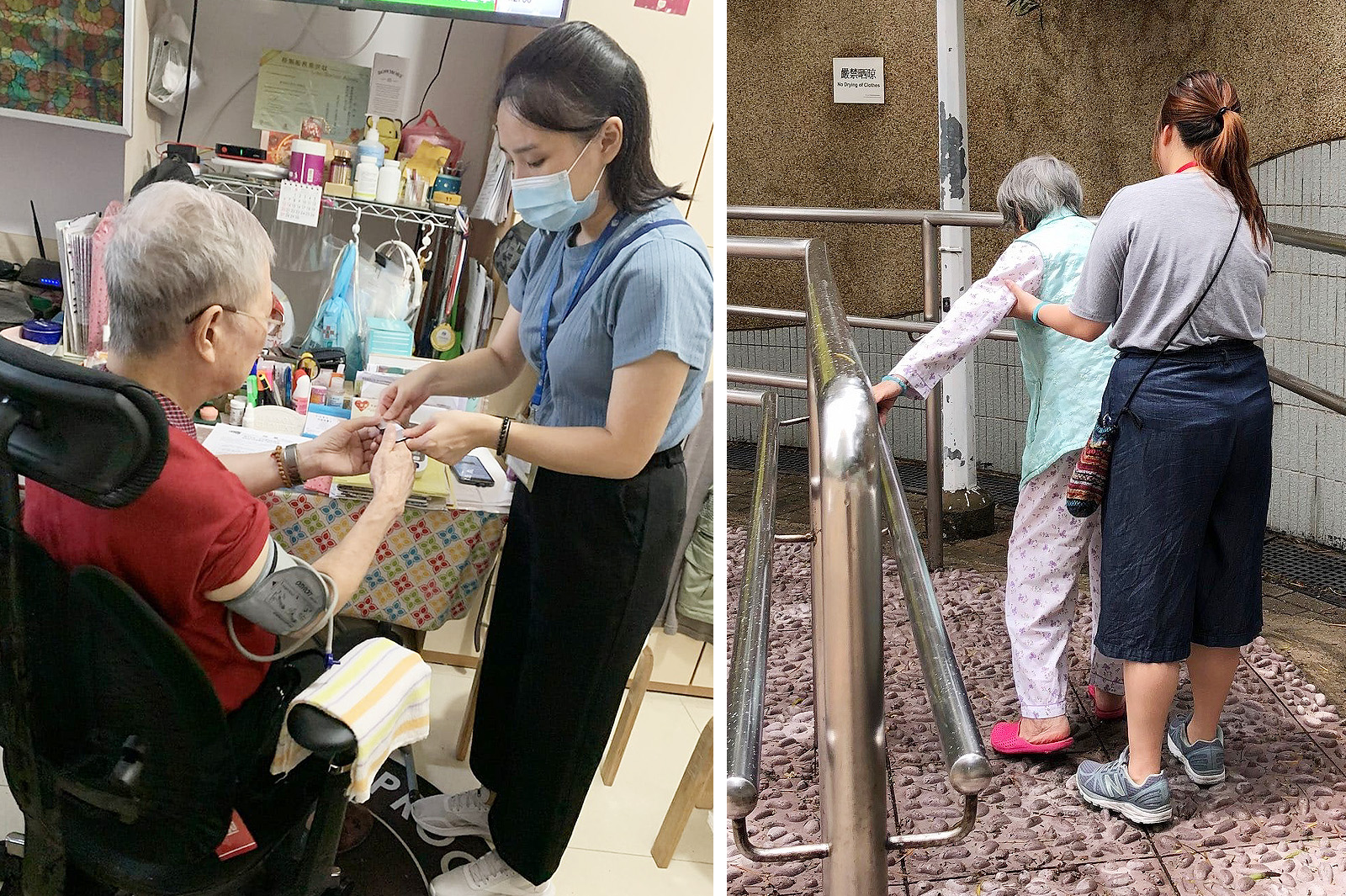
A survey conducted by the Department of Management Sciences at City University of Hong Kong (CityU) discovered that during the Covid-19 pandemic, older people in Hong Kong have a higher risk of social isolation, which makes them more likely to become sick, as their physical and mental health are affected. This also increases the burden on public healthcare services. The research team suggests providing home-based healthcare services for the elderly to help alleviate the problem.
In response to the pandemic, Hong Kong introduced a number of social distancing measures. Since older people have a higher risk of severe illness from the novel coronavirus, they were advised to stay at home as much as possible. To understand the impact of Covid-19 on their social interaction and sense of loneliness, a research team led by Professor Frank Chen Youhua, Chair Professor of CityU’s Department of Management Sciences, interviewed 341 elderly people living in Ho Man Tin in March 2021. The results were compared with data collected from a similar survey done in 2018.
The latest survey found that the average score of local elderly people for the questionnaire set by the Lubben Social Network Scale (LSNS-6) was only 9.6, which was lower than 13.6 recorded before the pandemic in 2018, and below the alarming level of 12.
The LSNS is an effective instrument for gauging social engagement of elderly people, and has a maximum score of 30. The higher the score, the better their social interaction. However, if the score is below 12, it indicates that they may be experiencing social isolation.
Socially isolated seniors have a higher risk of becoming depressed and developing cognitive impairment, and they may have a higher healthcare services usage rate and risk of hospitalisation. Thus, there will be an adverse effect on the seniors themselves and the community. Also, it is alarming to find that the score of local seniors is much lower than that of the same age group in overseas countries.
As local seniors spend more time at home, they tend to use phone and video calls for communication. The survey found that 70% of people aged 80 or below used smartphones, while only 28% of those above 80 did so. This lower use of smartphones among older people is probably aggravating the social isolation problem, as they have less contact with relatives and friends during the pandemic.
Since going out for follow-up medical consultations exposes seniors to higher risk during the pandemic, many postpone medical appointments or avoid going to hospital. Regarding seniors’ opinions about telemedicine services, the survey found that only 20% of respondents are confident in using video calls for telemedicine; 80% prefer face-to-face consultations.
The research team pointed out that there are two major obstacles for telemedicine services. First, the essential condition for using telemedicine services independently, smartphones, is missing for people over 80. Second, many seniors lack confidence in telemedicine services, probably because they are worried that they cannot clearly describe their health condition over the phone.
To alleviate the problem of social isolation among seniors, the research team suggested providing home-based healthcare services and arranging appropriate medical services for them after understanding their condition and needs. The team also suggested helping the elderly use telemedicine services through the assistance of nurses and telemedicine devices.
Last October, Bank of China (Hong Kong) Limited donated to CityU in support of the project “HomAge: Home-based Aging for Transformative Community Care” led by the College of Business. Based on Buurtzorg, a neighbourhood care model developed in the Netherlands and adopted by more than a dozen countries in Europe and Asia, teams of nurses and social workers visit elders at home to evaluate their physical and mental health. Personalised healthcare services are provided for individual elders and appropriate telemedicine and community services are arranged.
The aim of the project is to allow “home-based aging” by offering sustainable and affordable healthcare services for elders at home, thus reducing their admission rate to hospitals and postponing their need to live in a home for the elderly. For more details about the project, please visit the following website: http://homage.hk.