


CLASS Reruns Summer School to Foster Cross-disciplinary Research
Having received positive feedback in the CLASS Advanced Methods School (CAMS) last summer, CAMS has returned in 2023 to provide rigorous, cutting-edge and multi-method training for faculty members, research staff and postgraduate students at CityU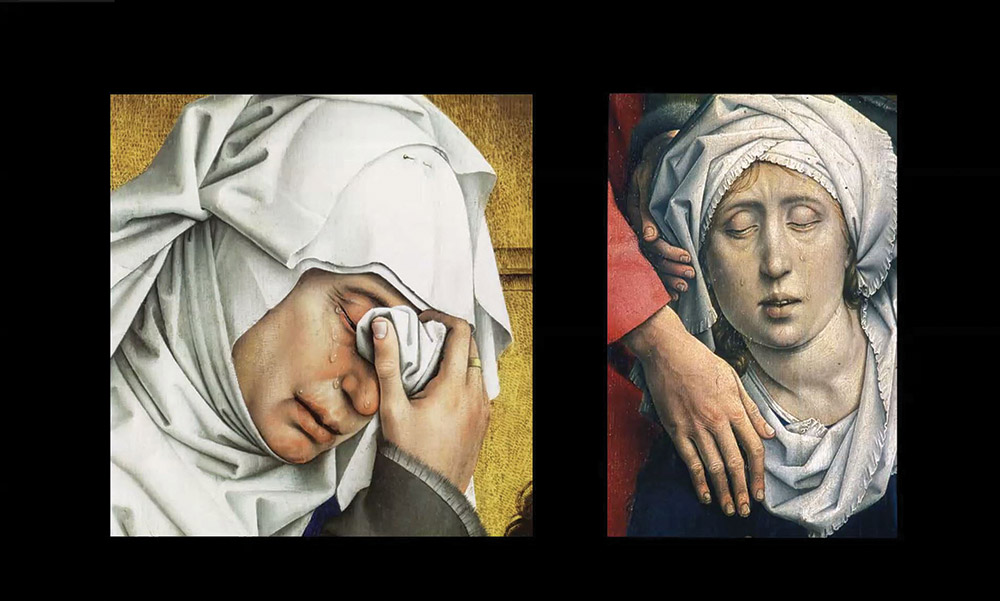
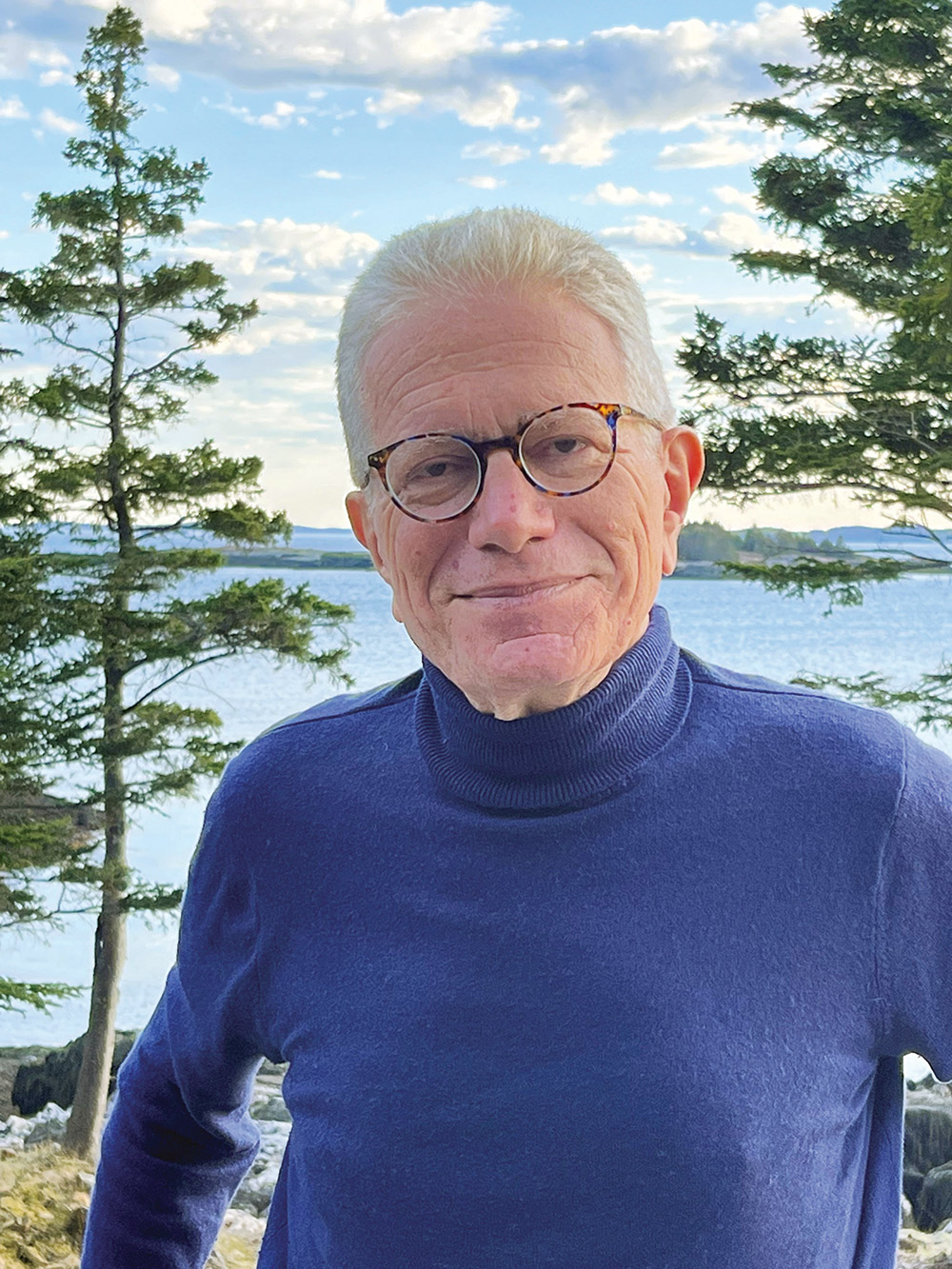
Freedberg's keynote speech focused on how art can transcend cultural boundaries.
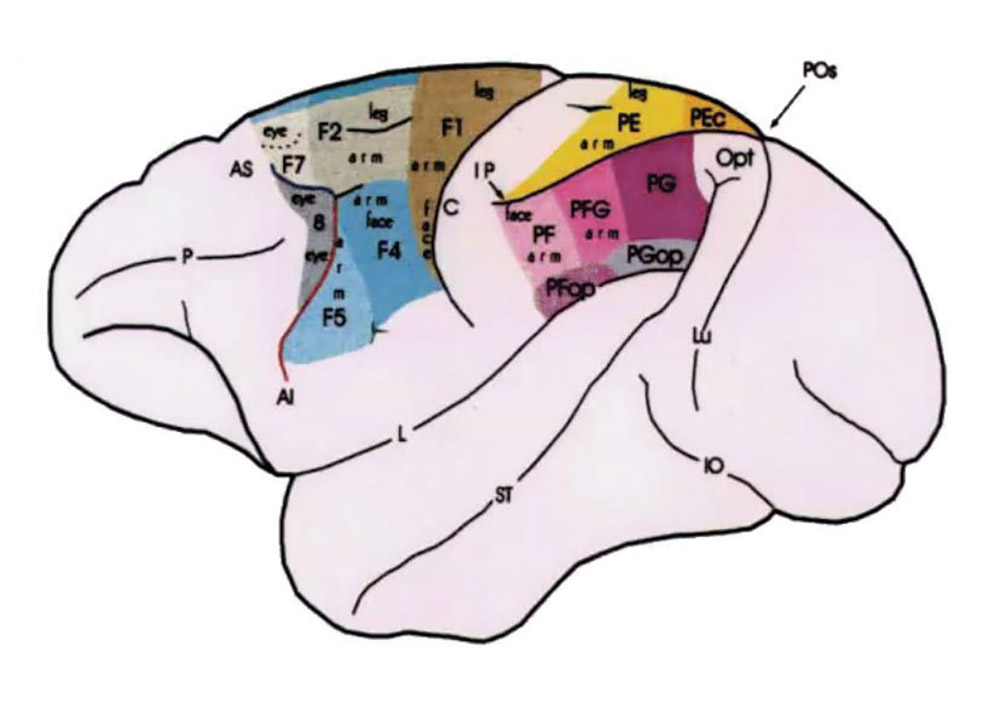
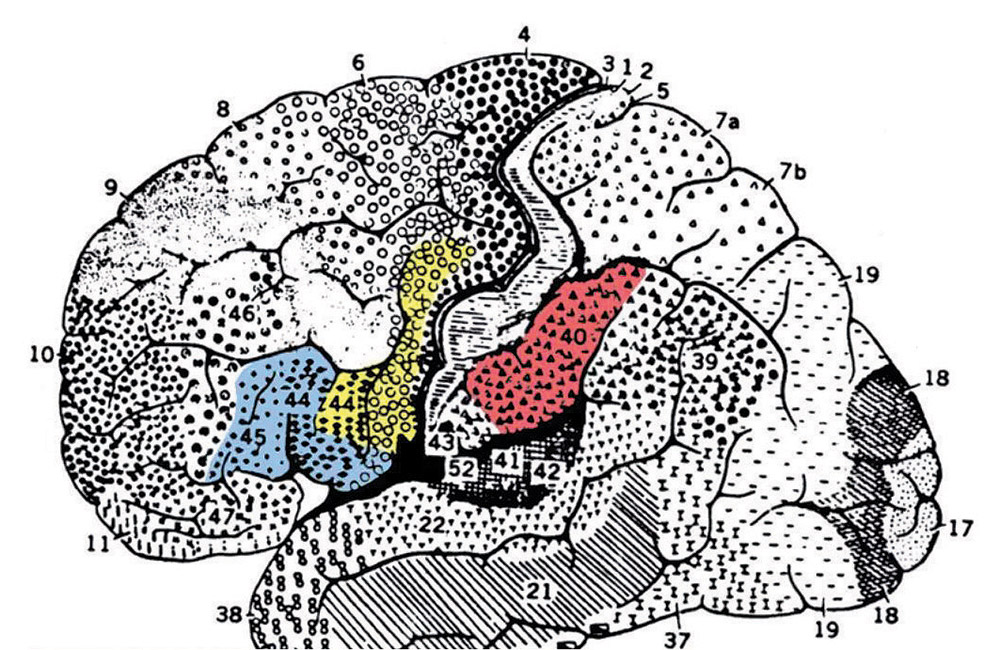
Freedberg's speech compared monkey and human brains to examine how art affects our minds.
Scan to watch Prof David Freedberg’s keynote speech.
French artist and Post-Impressionist painter Paul CéZANNE said, “A work of art which isn’t based on feeling isn’t art at all.” Art is a medium for artists and non-artists to express emotions, communicate thoughts and inspirations. Wherever people come from and whatever language they speak, art is a universal language that transcends words, able to be understood by people all over the world.
The examination of psychological responses to art can be measured with neuroimaging techniques which help us understand the human consciousness and behaviour. Research in the 21st century is increasingly technology-supported, and more researchers are embracing interdisciplinary studies to address the pressing issues of today and future. CityU’s College of Liberal Arts and Social Sciences (CLASS) established CAMS in 2022, aiming to bring together esteemed methodologists worldwide to provide up-to-date, wide-ranging and mixed methods training for faculty members, researchers, and students.
Interdisciplinary Keynote
This summer, CAMS organised a new series of events including modules, seminars and publication seminars that emphasise research design, method training and practical toolkits.
On 23 June 2023, Professor David FREEDBERG, Pierre Matisse Professor of the History of Art at Columbia University, was invited to give a keynote speech titled “Empathy and Access in a Digital World” delivered worldwide online.
To begin, Professor CHENG Shuk-han, Associate Vice-President (Research) of CityU welcomed all of the participants and introduced CAMS and the four research clusters under CLASS—One Health, Digital Society, Smart City and Brain—highlighting the university’s persistent efforts in pursuit of interdisciplinary, problem-driven research projects to benefit society.
Next, Dean of CLASS Professor Richard M WALKER presented a brief introduction of CAMS 2023 and remarked on the objective of CAMS that, “methods are a good way to bring people together from different disciplines for sharing ideas … and learn alternative and new ways to address questions. This is the sort of dynamic that we have been trying to create through the use of methods.”
Freedberg is an art historian who is best-known for his work on psychological responses to art. In his keynote speech, he introduced his audience to the world of classical Western painting, architecture and sculpture, in order to examine the accessibility of art across cultures.
Having spent decades studying Dutch, Flemish, French and Italian 17th century art, as well as historiographical and theoretical areas, Freedberg’s vast knowledge of art history in the West enables him to provide numerous examples that show the positive relations between vision, embodiment, movement and emotion. He presented the works of Romantic painter Francisco GOYA and Renaissance master Paolo VERONESE to discuss with participants the elements that catch people’s attention and what people notice in a work of art regardless of their cultural upbringing.
Perceiving Art to Elicit Motor Cortex
Freedberg compared a monkey brain with a human brain to demonstrate the similarity found in the mirror neuron system in both brains. The study of automatic empathetic responses and the phantom limb experiment suggests that new cognitive neurosciences offer important therapeutic possibilities for the observation of movement and emotion in works of art. Although advanced technology can replicate artworks by artificial intelligence (AI), photography and 3D laser printing, etc, Freedberg showed that the motor cortex-evoked potential amplitude of seeing a photograph is less than that of seeing a real painting.
Freedberg concluded his presentation by commenting on advanced digital techniques: “AI will never replace human intelligence … The mistakes humans make will never be incorporated by AI because AI may be too intelligent, so the pluses serve to bring people in. The other plus, I suppose, is that these advanced digital techniques will never substitute for the human hand.”
The keynote speech ended with a Q&A session moderated by Professor Edmund CHENG, the convenor of CAMS and Professor of the Department of Public and International Affairs. Scholars and students from different disciplines and universities around the world actively exchanged their views with Freedberg and learned much about the study of neuroscience, art, history and digital technology.
This year, a total of 16 events have been organised and gathered researchers from different regions, including Hong Kong, Singapore, UK, mainland China, Switzerland and South Korea. CAMS provided mixed methods training such as data analysis, computational application and effective scholarly writing skills for faculty members, researchers and students, facilitating transnational academic exchange.