Scientists develop 'living' perovskite passivator
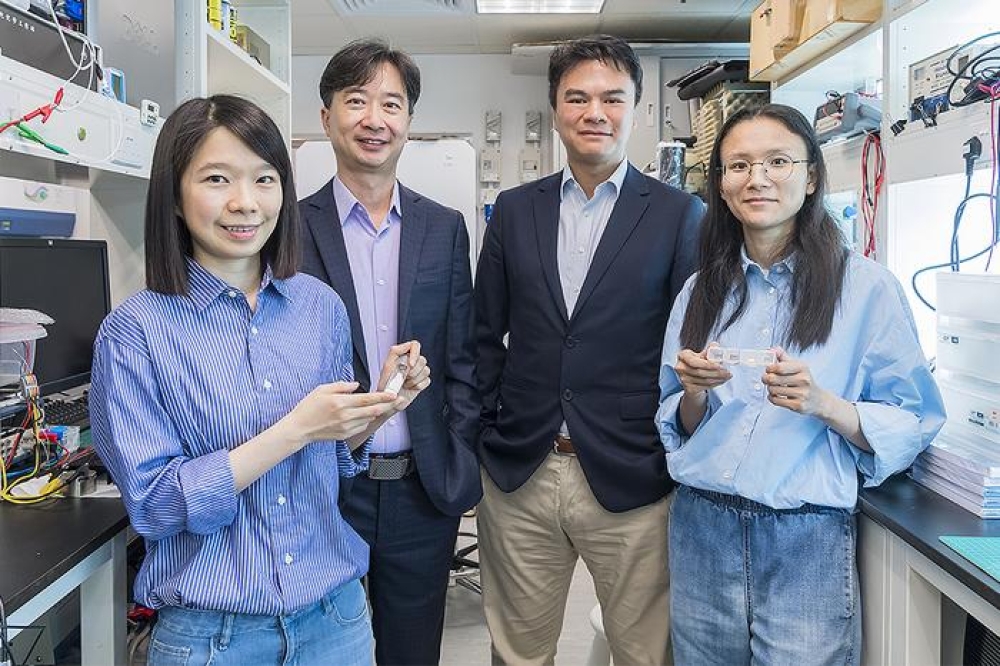
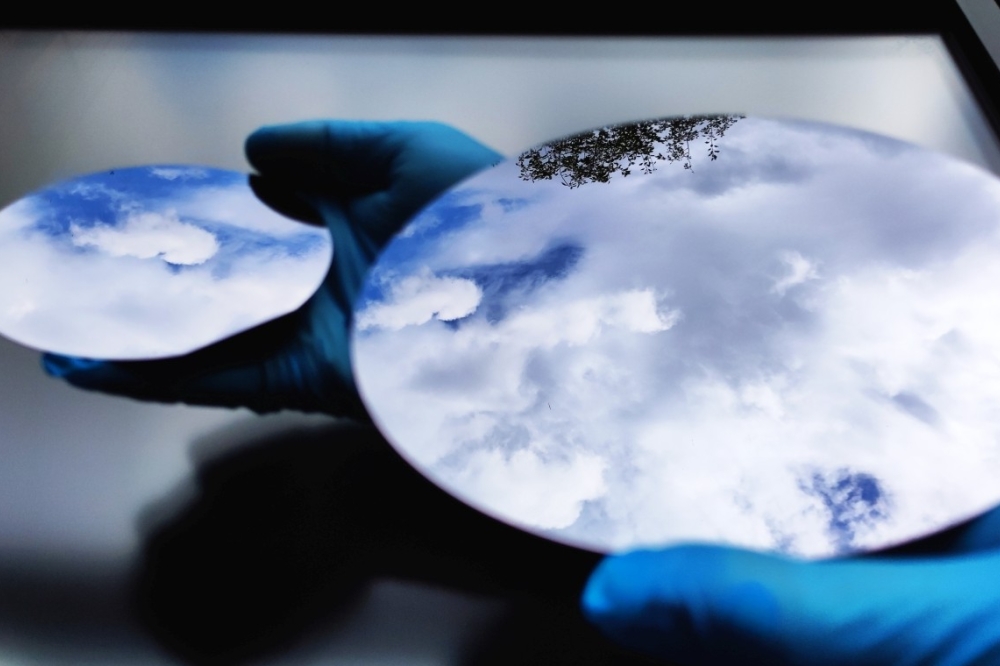
Hong Kong scientists in collaboration with a UK and other researches have developed what they describe as a 'living' passivator that can substantially enhance the stability and efficiency of perovskite solar cells.
The coating mimics sustained-release capsules in drugs that continuously release chemicals to heal defects caused by environmental stressors like water and heat, making it a promising solution for next-generation perovskite photovoltaics.
The team’s research was published in Nature in the paper 'Water- and heat-activated dynamic passivation for perovskite photovoltaics'.
The project is led by Feng Shien-Ping, professor in the department of systems engineering at CityUHK, in collaboration with Henry J. Snaith at the University of Oxford and Angus Yip Hin-Lap, of the Hong Kong Institute for Clean Energy at CityUHK.
The passivator is a type of corrosion inhibitor that changes the potential of a metal. The technology is based around dynamic covalent bonds that activate on exposure to moisture and heat, enabling it to evolve new passivators in response to environmental factors.
The CityUHK-led team has found that the passivator significantly improves the performance and durability of perovskite solar cells. A photovoltaic conversion efficiency of over 25 percent has been recorded, and operational stability for more than 1,000 hours at high temperatures and in humid conditions has been maintained.
“Applying a living passivator on the perovskite surfaces enhances their resistance to environmental factors like moisture and heat. This improves the stability of perovskite solar cells in hot and humid conditions, introducing a dynamic, responsive approach to environmental stressors,” explained Wang Weiting, the first author of this study and a Research Associate on Feng's team.
Feng added that the team noted how plants and other living beings could remain resilient to differing weather conditions while perovskite solar cells could deteriorate within months.
“The key difference lies in the ability of living organisms to regenerate and heal evolving defects. By incorporating a passivation mechanism that dynamically heals during operation, we can potentially unlock this regenerative concept for perovskite or other electronic devices,” said Professor Feng.
The CityUHK-led team is collaborating with industry partners to apply this technology to ionic migration and instability in perovskite solar cells during the manufacturing and operation stages.
The team believes that making these solar cells more stable and reliable could help make them more commercially viable, adding that this technology could be used in other applications, such as anti-oxidation and interfacial contact engineering in microelectronic devices.